Integrated Dementia Care Methods in Charlotte
In Charlotte, comprehensive memory care strategies prioritize the individual as a whole, acknowledging the interplay of mental, emotional, social, and bodily needs. This approach promotes innovative therapies and strong neighborhood assistance systems. Families play a vital role in this structure, improving treatment through education and collaboration. As these methods develop, they pose important questions about their effectiveness and the future of dementia care. What new strategies might better improve the well-being of those affected?
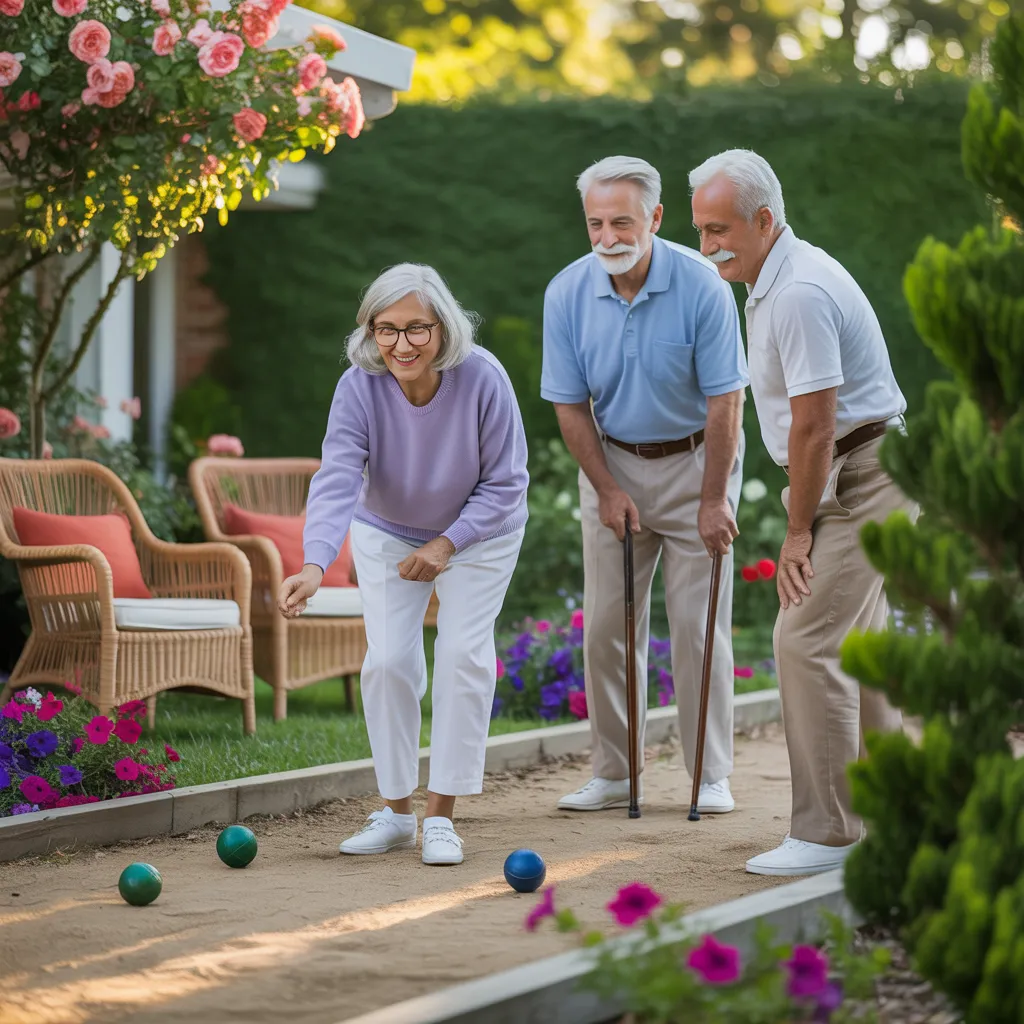
Why All-encompassing Therapeutic support Matters for Those with Dementia
While traditional medical methods focus primarily on addressing symptoms, comprehensive wellness acknowledges the intricate needs of dementia patients. This method stresses caring for the person as a whole, tackling not only cognitive decline but also emotional, social, and physical well-being. By incorporating techniques such as art therapy, music therapy, and mindfulness, holistic care creates a nurturing setting that improves quality of life.
Holistic care also encourages deep connection with family and caregivers, promoting deeper bonds that can reduce feelings of isolation. It acknowledges the importance of routine and familiar surroundings, which can minimize anxiety and confusion for dementia patients. Additionally, addressing nutritional needs and physical health serves as a essential role in overall well-being. Through a comprehensive all-encompassing framework, holistic care strengthens patients, helping them maintain dignity and autonomy in their daily lives. Ultimately, this varied multifaceted approach enhances the experience of those affected by dementia, making it an important significant aspect of their care.
Building Community: Support Networks for Dementia Care in Charlotte
Building a robust community around dementia care is essential for enhancing the lives of patients and their loved ones. In Charlotte, various support networks have developed to address the distinct obstacles linked with dementia. Local groups, such as the Alzheimer's Association, offer materials, training, and advocacy, fostering a sense of belonging for both caregivers and patients.
Community centers frequently organize support groups where families can share experiences, gain insights, and find emotional relief. These meetings not only reduce feelings of loneliness but also establish a venue for sharing useful care approaches.
In addition, collaborations between healthcare providers and community organizations are essential in ensuring that people obtain comprehensive assistance. By involving local volunteers, Charlotte's memory care community fosters an atmosphere of compassion and awareness. Such networks empower households with the tools required to navigate the complexities of dementia, reinforcing the importance of community in comprehensive care models.
Examples of Groundbreaking Therapies for Dementia Cases
Advanced therapeutic approaches for dementia patients are transforming the landscape of care, introducing new options for engagement and betterment in quality of life. One key approach is music therapy, which has demonstrated outstanding efficacy in triggering memory recall and psychological expression. This therapy taps into the power of familiar tunes to awaken memories and establish connections, often producing enhanced mood and decreased anxiety.
Creative therapy represents an additional successful method, permitting patients to express themselves creatively, which can boost cognitive function and emotional well-being. Additionally, reminiscence therapy prompts patients to engage with their past through photographs and personal stories, promoting social interaction and cognitive stimulation.
Pets are incorporated into care settings through animal-assisted therapy, delivering comfort and connection, which may minimize feelings of loneliness. Finally, virtual reality experiences deliver immersive settings that can stimulate cognitive activity and give a sense of adventure, enhancing the daily lives of dementia patients.
Including Families in Dementia Care
Furthermore, effective communication among healthcare professionals and loved ones can reduce feelings of loneliness helpful tips and worry. Providing families with resources, including support groups and therapy, further improves their capacity to manage with the difficulties of dementia. This involvement not only helps the patient but also fosters a sense of community within caregivers. Ultimately, including families in the care plan results in a more holistic approach, guaranteeing that both emotional and physical needs are addressed, thus improving overall quality of life for individuals managing with dementia.
Emerging Trends in Holistic Dementia Care in Charlotte
Charlotte is witnessing a movement towards comprehensive dementia care that focuses on tailored treatment and psychological health. This developing trend emphasizes individualized approaches that address the distinct needs and preferences of each individual. Providers are increasingly adopting alternative therapies like music and creative expression therapy, understanding their potential to improve mental performance and emotional stability.
In addition, the weaving in of accessible community support nurtures social engagement, reducing sense of disconnection among individuals with dementia. Family involvement is also being emphasized, with support groups and educational workshops fashioned to empower caregivers and refine the quality of family life.
Telehealth platforms are rising in popularity, permitting families to get access to expert care and materials from the ease of their homes. As Charlotte continues to adopt these comprehensive methods, the focus remains on constructing caring settings that support both physical wellbeing and emotional strength for those managing dementia.
Regularly Inquired Questions
What Monetary Considerations Accompany All-Encompassing Dementia Management in Charlotte?
Expenses connected to holistic dementia care can differ substantially, often extending between $1,500 to over $5,000 monthly, determined by services available, kind of facility, and customized care plans adapted for specific needs and preferences.
What's the Best Way to Select a Holistic Medical Professional for Dementia?
To select a integrated wellness specialist for dementia, one should evaluate credentials, seek recommendations, review individualized care approaches, and ensure compatibility with family values. Inspecting facilities and exploring approaches can also deliver valuable insights.
Are There Particular Nutritional Guidelines for Dementia Patients?
The Mediterranean diet, which is rich in fruits, vegetables, whole grains, healthy fats, and lean proteins, is often suggested for dementia patients, and it should be paired with adequate hydration and limited processed sugars to support cognitive health and overall well-being.
What Role Does Fitness Have in Integrated Dementia Care?
Exercise serves as an essential role in comprehensive dementia care by enhancing cognitive function, improving mood, and promoting physical health. Regular physical activity can help maintain independence and decrease behavioral symptoms, ultimately benefiting overall quality of life.
How Can I Champion for Comprehensive Wellness Alternatives in My Community?
To support holistic care options, people can facilitate neighborhood discussions, circulate educational resources, engage local healthcare providers, and raise awareness through internet-based outreach, nurturing a supportive environment for comprehensive memory care efforts.